

Brain. Behaviour. Development.Looking deeper to understand the whole person.

At Simplique, we believe behaviour, brain function and development are deeply connected.

We provide individualised Positive Behaviour Support, Neurodevelopmental programs, EEG/QEEG Brain Mapping and Neurotherapy for children, adolescents and adults.

PERSONALISED THERAPY SERVICES

Brain Balance and Development

not just behaviour but supporting stronger connections between the brain and body

The developing brain relies on different regions and networks working together efficiently. Movement, sensory experiences, learning and interaction with the environment all contribute to the development and strengthening of neural connections.

Our neurodevelopmental approach looks beyond a diagnosis to identify the child’s individual pattern of strengths and areas requiring support.

Through targeted sensory, motor, balance, coordination, timing, visual and cognitive activities, we aim to support brain-body integration, developmental skills and neuroplasticity.

How We Can Help You

Positive Behaviour Support

Understand the behaviour. Discover the why. Behaviour is communication. Positive Behaviour Support looks beyond behaviours of concern to understand why they are occurring and what the person may be communicating or trying to achieve. Through Functional Behaviour Assessment, observation, behavioural data and collaboration, we develop individualised strategies designed to improve quality of life, communication, independence and participation. Our services include: Functional Behaviour Assessment Interim Behaviour Support Plans Comprehensive Behaviour Support Plans proactive behaviour strategies skill and communication development implementation support parent, carer and support-worker training monitoring and review restrictive-practice reduction planning

Neurodevelopmental Programs

Building stronger foundations for development. The Melillo Method is a neurodevelopmental approach that explores relationships between sensory processing, movement, coordination, timing, regulation and development. Programs begin with an individual assessment and may include targeted activities involving: primitive reflex integration balance and vestibular activities bilateral coordination crossing the midline core stability gross and fine motor development sensory-motor activities visual tracking and eye movements rhythm and timing attention and inhibition activities cognitive-motor exercises The goal is to identify developmental areas requiring support and provide targeted, progressive activities that utilise the brain's capacity for neuroplasticity.
EEG/QEEG Brain Mapping & Neurotherapy

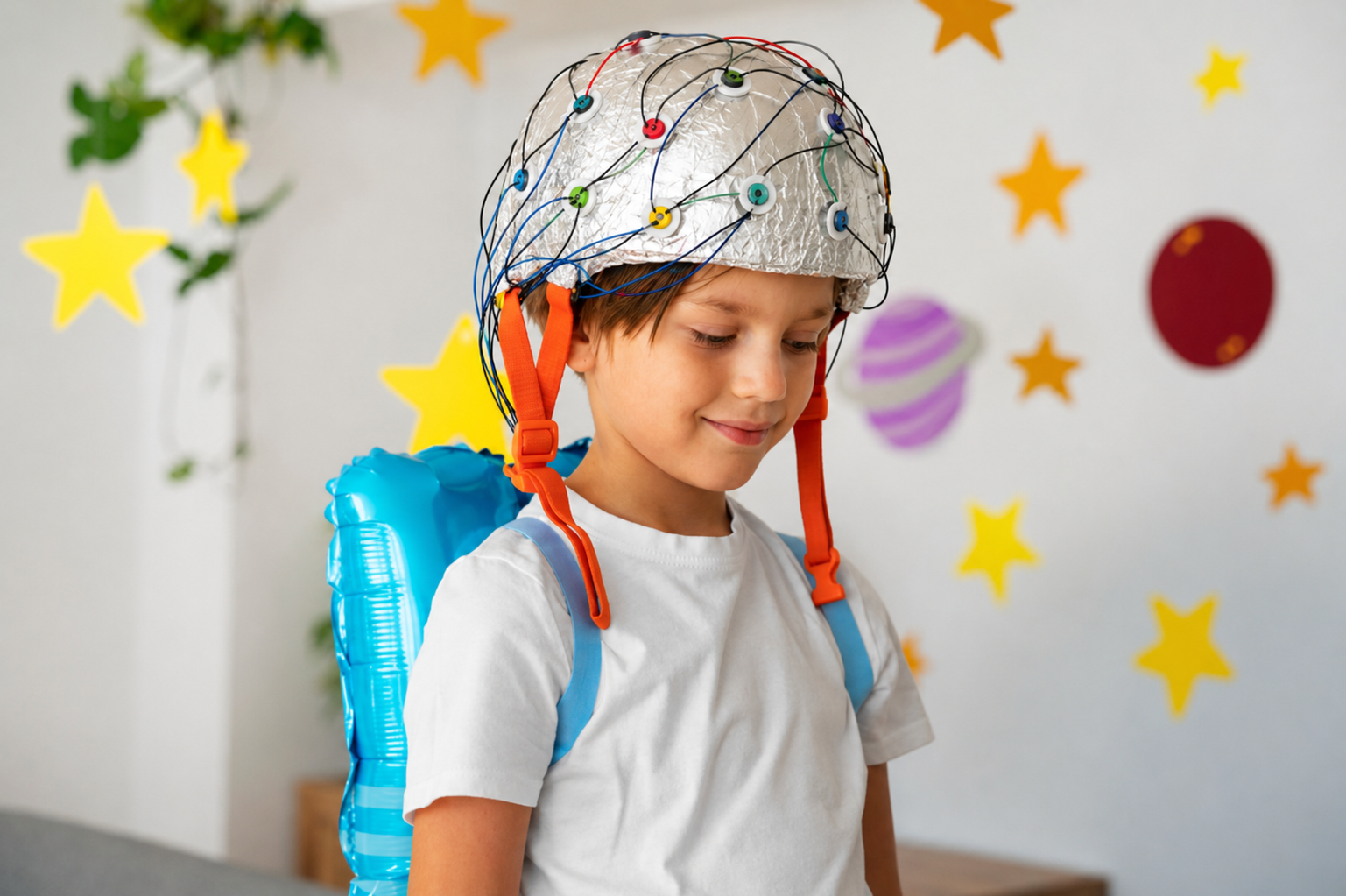
See another piece of the picture. EEG provides a non-invasive way of recording the electrical activity naturally produced by the brain. QEEG then uses specialised quantitative analysis to examine patterns within the EEG recording and may display this information through data and brain maps. No electricity is delivered into the brain. EEG electrodes are sensors. They simply detect and record electrical activity the brain is already producing. Where appropriate, EEG/QEEG findings may provide additional information to help individualise a Clinical Neurofeedback and Neuromodulation program.


One Person. A Bigger Picture.

Why Brain & Behaviour? Behaviour is communication.
What we see on the outside may only be one part of the story. A child experiencing frequent meltdowns may also have communication, sensory or regulation difficulties. A child struggling at school may simultaneously experience challenges with attention, motor planning, visual tracking, coordination or processing. A behaviour may be communicating pain, frustration, sensory overload, avoidance, a need for connection or difficulty communicating a need. That's why our approach asks more than: “How do we change the behaviour?” We ask: “What is happening beneath the surface?”

Free Consultation

Start with a complimentary 15-minute consultation to discuss your concerns, explore suitable services, and understand the next steps for you or your child. We’ll help you identify the most appropriate pathway across behaviour, development and neurotherapy support.

Personalised Supports

Every person is different. Our services are tailored to individual strengths, needs, goals and circumstances, with personalised assessment and intervention approaches designed to support meaningful progress in everyday life.

Evidence-Based Methods

We integrate evidence-informed practice, clinical reasoning and ongoing assessment. Progress is reviewed over time so strategies and interventions can be adjusted to the individual’s changing needs and goals.

FAQs

Simplique provides Positive Behaviour Support, Melillo Method-informed neurodevelopmental programs, EEG/QEEG Brain Mapping and Clinical Neurofeedback.

Our services are individualised according to the person's needs, goals and the type of assessment or support being provided.

No. We welcome both private self-funded clients and NDIS participants.

You can access our private services without an NDIS plan. NDIS-funded services are subject to the participant's individual plan, goals and current NDIS funding requirements.

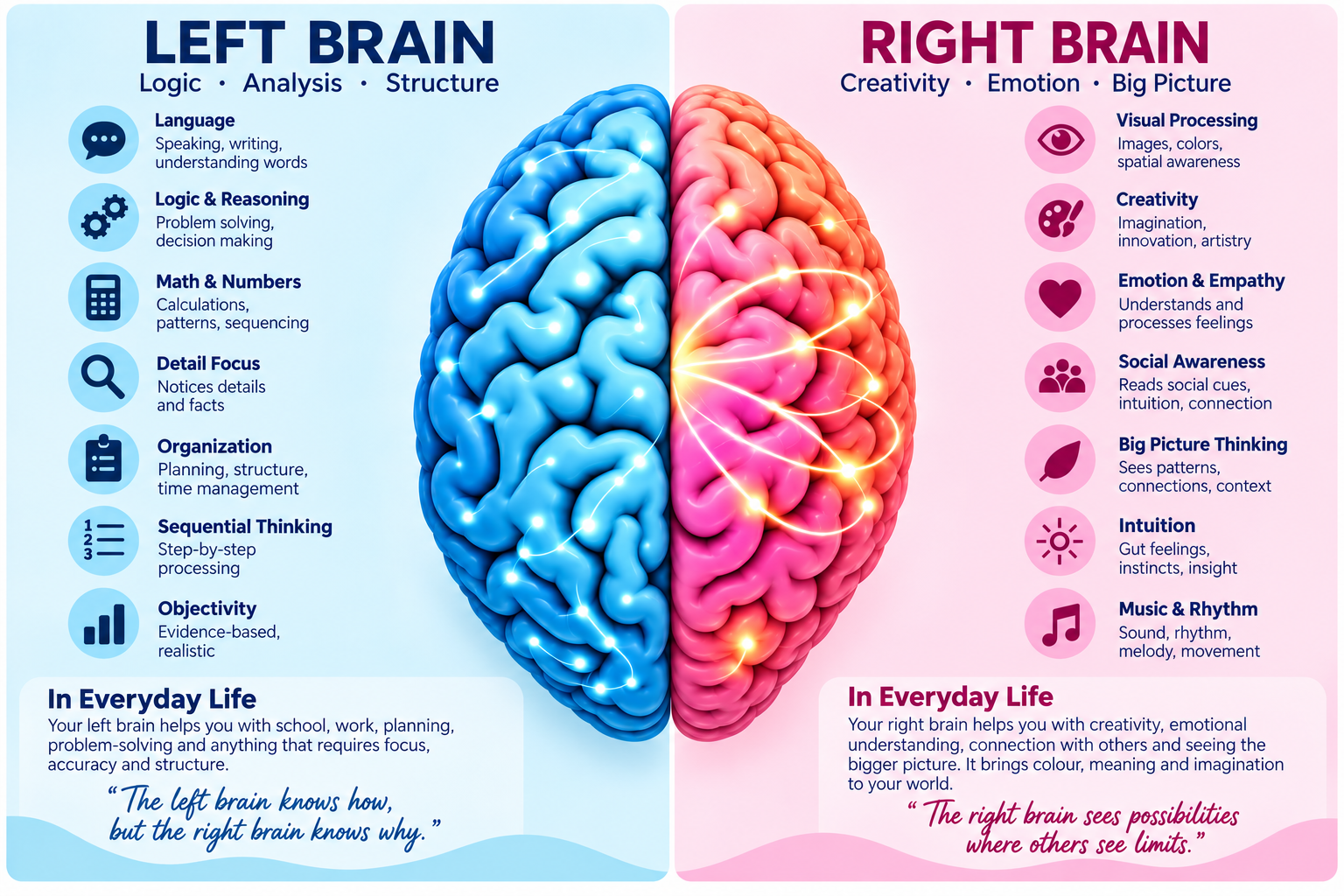
Brain Balance refers to the concept of supporting more effective integration and communication between different brain systems and hemispheres.

It does not mean that the two sides of the brain normally operate independently.

The goal is to identify areas of uneven development and use targeted developmental activities to support the child's overall brain-body functioning.

EEG records the electrical activity naturally produced by the brain.

QEEG uses specialised software to quantitatively analyse selected EEG data and may present aspects of the results through numerical information, graphs and brain maps.

No.

The EEG electrodes used for standard EEG recording and EEG neurofeedback are sensors. They detect electrical activity naturally produced by the brain.

They do not deliver electricity into the brain.

No. Simplique works with children, adolescents and adults, although suitability depends on the particular service and the individual's needs.

That's completely fine.

Start with an initial enquiry or consultation. We can discuss your concerns and goals and help determine whether Positive Behaviour Support, neurodevelopmental assessment, EEG/QEEG, Clinical Neurofeedback or another pathway is the most appropriate starting point.

How to start your journey

Follow These Simple Steps

Complete Your Details

Fill out a short form so we can understand your concerns and preferences.

Schedule Your Session

Select the convenient date and time for your initial appointment.

Start Your Session

Meet your practitioner online or in person and begin your journey.